

ISO 13485 is the internationally recognised standard for quality management systems (QMS) specifically for the medical device industry. It outlines requirements to ensure organisations consistently provide safe, reliable, and effective medical devices that meet customer and regulatory mandates. This standard addresses critical aspects across the entire product lifecycle, from design and development to servicing and documentation.
Adherence to ISO 13485 is a crucial demonstration of a commitment to quality and patient safety, ensuring smoother operations and enhancing global market access.
Need help aligning your QMS with ISO 13485 and the latest UK regulations? Talk to our experts today.
The Changing UK Regulatory Requirements in 2025
2025 brings significant transformation for medical device companies in the UK market. Major regulatory overhauls are set to impact Post-Market Surveillance (PMS) requirements and mandate the adoption of UKCA marking. These changes, spearheaded by the MHRA, aim to strengthen oversight and elevate patient safety.
Understanding the relationship between ISO 13485 certification and these specific UK regulatory requirements is critical for continued market access. Given the substantial shifts signalled by these overhauls, companies must assess their current medical device QMS against both ISO 13485 standards and the new UK regulations. Identifying and addressing gaps well in advance of the June and July 2025 deadlines is crucial for successful adaptation.
Related Reading: The Complete Guide to Clinical Evaluation for Medical Device Market Access
What is ISO 13485, and Why is it Critical for Medical Devices?

ISO 13485:2016 is the international standard for a quality management system (QMS) specifically for the medical device industry. It outlines requirements for organisations to consistently provide medical devices and related services that meet customer and regulatory needs.
Unlike broader standards like ISO 9001, ISO 13485 is uniquely tailored to medical devices, emphasising risk management, regulatory compliance, and traceability across the product lifecycle. Its criticality stems from the direct impact medical devices have on patient health and safety. Implementing this medical device QMS ensures rigorous quality controls, mitigating risks of defects and malfunctions.
More than just a regulatory checklist, ISO 13485 standards enable patient safety and encourage public trust. The focus on safety, performance, and risk-based decision-making signifies a commitment to public health. Companies should view ISO 13485 implementation as a strategic investment that strengthens brand reputation, reduces liability risks, and builds trust with healthcare providers and patients. It’s imperative for long-term business sustainability in this sensitive industry.
Related Reading: The Essential Guide to UK and EU Medical Device Post-Market Surveillance for 2025
The Foundational Principles and Key Elements of ISO 13485
ISO 13485 is built upon interconnected principles and elements that guide the establishment and maintenance of an effective quality management solution for medical devices. This forms a dynamic system driving continuous improvement.
Key elements of an ISO 13485 quality management system include:
- Management Responsibility: Top management’s commitment to the QMS is crucial. This involves dedicating resources, defining the Quality Policy and Objectives, and assigning a Management Representative.
- Customer Focus: Organisations must deeply understand and consistently meet customer needs, including healthcare professionals and patients. This influences processes to ensure device safety and performance.
- Risk-Based Decision Making: Distinctive to medical device standards, this principle mandates that decisions consider the combination of the probability of the occurrence of harm and the severity of that harm. It’s vital for device safety, effectiveness, and regulatory compliance. While ISO 13485 references risk, ISO 14971 provides a detailed framework for risk management in medical devices.
- Document Everything: A comprehensive QMS requires thorough documentation of processes, work instructions, specifications, labels, and records as evidence of compliance.
- Improvement is Essential: Continuous improvement is a core tenet, driven by inputs from internal/external audits, customer feedback, complaints, and Corrective and Preventive Actions (CAPA).
- Employee Participation: Actively involving employees encourages ownership, improved decision-making, and elevated quality.
- Process Approach: Managing activities and resources as interrelated processes ensures consistency, streamlines workflows, and minimises risks.
These individual elements form a cohesive system, not isolated components.
ISO 13485 implementation demands a systems-thinking approach where data flows easily between processes (e.g., customer feedback informing design changes, audit findings triggering CAPA). A more holistic perspective significantly enhances both efficiency and compliance.
Related Reading: A Step-by-Step Overview of MHRA Registration for Your Medical Device
Strategic Benefits of ISO 13485 Certification

Achieving ISO 13485 certification offers significant strategic advantages beyond mere regulatory compliance, profoundly impacting a medical device company’s trajectory:
- Enhanced Credibility and Reputation: ISO 13485 certification demonstrates a commitment to high-quality manufacturing and continuous improvement, building trust with customers, regulators, and stakeholders.
- Competitive Edge: It provides a distinct competitive advantage, differentiating companies and signalling adherence to global best practices for worldwide product marketing.
- Market Access: Often a prerequisite for selling medical devices internationally, ISO 13485 certification is a foundation for CE marking in Europe and is now effectively mandated for US market access via the FDA’s QMSR.
- Risk Reduction: A well-implemented ISO 13485 QMS significantly reduces the likelihood of costly product recalls and minimises exposure to lawsuits or business loss due to poor quality.
- Operational Excellence: Adherence to the ISO 13485 standards promotes efficient processes, reducing waste, lowering production costs, and improving overall efficiency through continuous monitoring and evaluation.
- Improved Patient Outcomes and Customer Satisfaction: By ensuring the safety, effectiveness, and consistent quality of medical devices, the standard directly contributes to superior patient experiences and elevated customer satisfaction.
Viewing ISO 13485 as a strategic investment rather than just a compliance cost reveals its true value. Despite initial expenses, the long-term benefits, including competitive advantage, reduced lawsuits, less waste, and higher profits, are substantial. The FDA’s embrace of the standard further solidifies its role as a universal entry ticket to major markets. This perspective encourages framing ISO 13485 initiatives as strategic investments, building a genuine culture of quality beyond a check-the-box mentality.
Related Reading: The Importance of Quality Management Systems for UK Medical Devices
A Practical Step-by-Step Guide to ISO 13485 Certification
Achieving ISO 13485 certification is a structured and rigorous process that requires planning and continuous monitoring. An ISO 13485 certificate is typically valid for three years and subject to annual surveillance audits.
Phase 1: Establishing Your Quality Management System (QMS)
This initial phase focuses on building or refining your medical device QMS to meet ISO 13485 standards.
- Understand ISO 13485 Requirements: Familiarise your organisation with the ISO 13485:2016 standard and how it aligns with regulatory needs for regions where your medical devices will be marketed (e.g., US FDA’s 21 CFR Part 820, EU MDR/IVDR, UK MDR). Your quality management system for medical devices must adapt to evolving regulatory demands, integrating specific national nuances.
- Conduct a Gap Analysis: Review your existing QMS against ISO 13485 and all applicable regulatory requirements. Prioritise identified discrepancies based on their impact on compliance and product quality.
- Develop/Update QMS Documentation: Create a quality manual outlining your QMS scope, policy, and objectives. Develop detailed Standard Operating Procedures (SOPs), work instructions, and forms for all critical processes like design control, risk management, and record control. Implement thorough document control.
- Process Mapping and Interaction: Identify and map key organisational processes (e.g., design, production, post-market surveillance), defining their interactions within the overall QMS.
- Resource Allocation and Training: Define roles and responsibilities. Provide comprehensive training on ISO 13485 requirements and internal QMS procedures. Allocate adequate resources.
- Implement the QMS: Put documented policies and procedures into practice across all relevant operations, ensuring all processes are performed and recorded as required.
Phase 2: Internal Verification and Continuous Improvement
This phase validates the effectiveness of your implemented QMS and ensures ongoing enhancement.
- Conduct Internal Audits: Perform regular internal audits to verify QMS effectiveness against ISO 13485 requirements, identify nonconformities, and pinpoint areas for improvement. Internal auditors must be independent. These audits are crucial for preparing for external certification audits.
- Implement Corrective and Preventive Actions (CAPA): Based on audit findings, customer feedback, and other nonconformances, initiate a CAPA process to address root causes and prevent recurrence.
- Perform a Management Review: Top management must regularly review the QMS to assess effectiveness, evaluate progress, and allocate resources for maintenance and improvement.
Phase 3: The External Certification Audit Process
This formal assessment is where an independent third party evaluates your QMS for ISO 13485 compliance.
- Select a Certification Body: Choose an accredited third-party certification body with expertise in medical devices and ISO 13485. For the UK, consider a UKAS-accredited body or an MHRA-designated UK Approved Body for UKCA marking, as their accreditation is critical for market acceptance.
- Initial Certification Audit (Two Stages):
- Stage 1 (Documentation Survey): An off-site review of your QMS documentation (quality manual, procedures, CAPA protocols, records) to assess completeness and readiness for Stage 2.
- Stage 2 (Primary Audit): An on-site evaluation of QMS implementation and effectiveness involving staff interviews, record reviews (design, risk management, training, testing), and observation of operational processes. Applicable regulatory requirements are also verified.
- Address Nonconformities: Develop and implement corrective action plans for any identified nonconformities, providing evidence of effectiveness to the certification body.
- Receive Certification: Once confirmed compliant, the ISO 13485 certificate is issued, typically valid for three years.
Maintaining Certification Through Surveillance Audits and Recertification
Achieving ISO 13485 certification is an ongoing commitment, not a one-time event.
- Regular Surveillance Audits: Annual audits ensure ongoing ISO 13485 compliance, examining critical processes and the effectiveness of corrective actions.
- Continuous Improvement: Ongoing monitoring and improvement of the QMS are essential, as well as adapting to changes in regulations or internal processes.
- Recertification Audits: A comprehensive audit is conducted before the three-year certificate expiration to renew ISO 13485 certification.
Related Reading: Demystifying UK Medical Device Regulation: A Beginner’s Guide
Integrating ISO 13485 Across the Medical Device Product Lifecycle
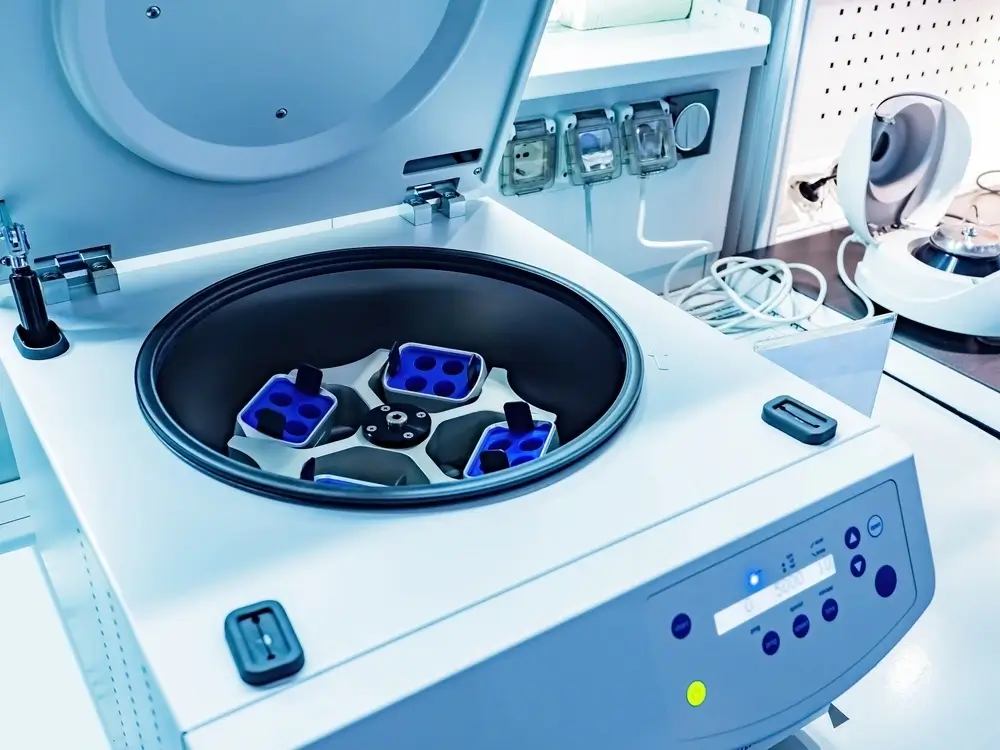
ISO 13485 mandates the integration of quality management system practices throughout the entire product lifecycle of a medical device. This signifies a fundamental shift from a production-centric to a lifecycle-centric approach to quality, ensuring safety and performance from initial concept to final disposal.
Key phases where ISO 13485 integration is crucial include:
- Design and Development: Implementing rigorous controls, design reviews, verification activities, and integrating risk management from the outset to ensure devices are safe, user-friendly, and reliable.
- Production: Establishing well-defined and controlled manufacturing processes, including validated procedures like sterilisation and rugged quality control measures.
- Installation and Servicing: Developing clear procedures for proper setup and comprehensive maintenance programs for optimal operational conditions.
- Post-Market Surveillance (PMS): Establishing systems to collect and analyse user feedback and performance data, ensuring compliance with regulatory reporting requirements for safety issues or adverse events.
- Disposal: Developing and adhering to procedures for proper and environmentally compliant disposal of medical devices.
This complete, integrated approach within your medical device QMS is essential for achieving true compliance and ensuring paramount patient safety by dismantling departmental silos and ensuring information flow across teams.
The Central Role of Risk Management (ISO 14971)
Risk management is a pervasive and unique principle embedded within ISO 13485, specifically tailored for medical device companies. It requires the systematic identification, analysis, evaluation, and control of risks throughout the entire product lifecycle. Risk is defined as the combination of the probability of the occurrence of harm and the severity of that harm.
While ISO 13485 frequently references risk, ISO 14971 provides a dedicated and detailed framework for implementing a comprehensive risk management process. Adherence to ISO 13485 standards and ISO 14971 is critical for ensuring the safety and effectiveness of medical devices and maintaining continuous regulatory compliance.
Integrating risk management as a central thread through all QMS processes ultimately makes the quality management system for medical devices more effective and efficient in preventing harm.
Related Reading: Understanding the Role and Responsibilities of the UK Responsible Person
Your Future in Medical Devices and Being Certified for Success
Achieving ISO 13485 certification is imperative for any medical device company. From establishing a medical device QMS to managing the challenges of ISO 13485:2016 and ensuring ongoing compliance, this commitment underpins patient safety, builds trust, and unlocks global market access. With critical UK regulatory changes in 2025, proactive adherence to ISO 13485 standards is more crucial than ever.
Are you overwhelmed by the complexities of ISO 13485 quality management and the stringent demands of a quality management system for medical devices? The thought of audits, documentation, and continuous compliance can divert precious resources from your core mission of innovation.
Imagine launching your groundbreaking medical devices with complete confidence, knowing your QMS is not only compliant but truly optimised for safety and efficiency. Russell Regulatory Consultants specialises in simplifying the journey to ISO 13485 certification. We offer expert guidance to ensure your products meet all necessary ISO 13485 requirements, transforming regulatory challenges into clear pathways for growth.
Partnering with our team means gaining a dedicated ally committed to your success. We provide solutions that enable you to focus on what you do best, developing life-changing medical technologies, while we handle the complexities of your ISO 13485 quality management system. Achieve operational excellence, avoid risks, and enhance your reputation in the global market.
Don’t let regulatory complexities slow your progress. Schedule a free call with Russell Regulatory Consultants today. Discover how our tailored expertise can improve your ISO 13485 certification process, ensuring your medical devices are not just compliant but positioned for unparalleled market success. Let’s talk about your solutions.
Article Sources
- Gov.uk. “First major overhaul of medical device regulation comes into force across Great Britain”. Accessed 7th July 2025.
- Gov.uk. “Medicines and Healthcare Products Regulatory Agency”. Accessed 7th July 2025.
- ISO.org. “ISO 13485:2016”. Accessed 7th July 2025.
- European Medicines Agency. “ICH guideline Q9 on quality risk management”. Accessed 7th July 2025.
- fda.org. “Quality System (QS) Regulation/Medical Device Current Good Manufacturing Practices (CGMP)”. 31st January 2024.
- Gov.uk. “Regulating medical devices in the UK”. 17th February 2025
- ISO.org. “ISO 14971:2019”. Accessed 7th July 2025.
