

The thriving cosmetics industry in the United Kingdom operates within a strict regulatory framework designed to safeguard consumer health and ensure product integrity. Compliance with these stringent regulations is a fundamental legal prerequisite for any cosmetic product entering the UK. This commitment to high standards is essential for building and maintaining consumer trust in the products they use daily.
Following Brexit, cosmetic regulation in Great Britain has evolved, establishing distinct requirements that require specific and focused compliance efforts separate from those governing the European Union market. Consumers rightly anticipate that products undergo rigorous safety evaluations for cosmetics before making them available for purchase.
At Russell Regulatory Consultants, we understand these complexities. We’re committed to providing personalised support and building enduring partnerships, ensuring our clients receive the highest calibre of guidance to confidently manage the cosmetic safety assessment UK requirements and achieve market success.
A Post-Brexit Overview of UK Cosmetic Regulatory Requirements
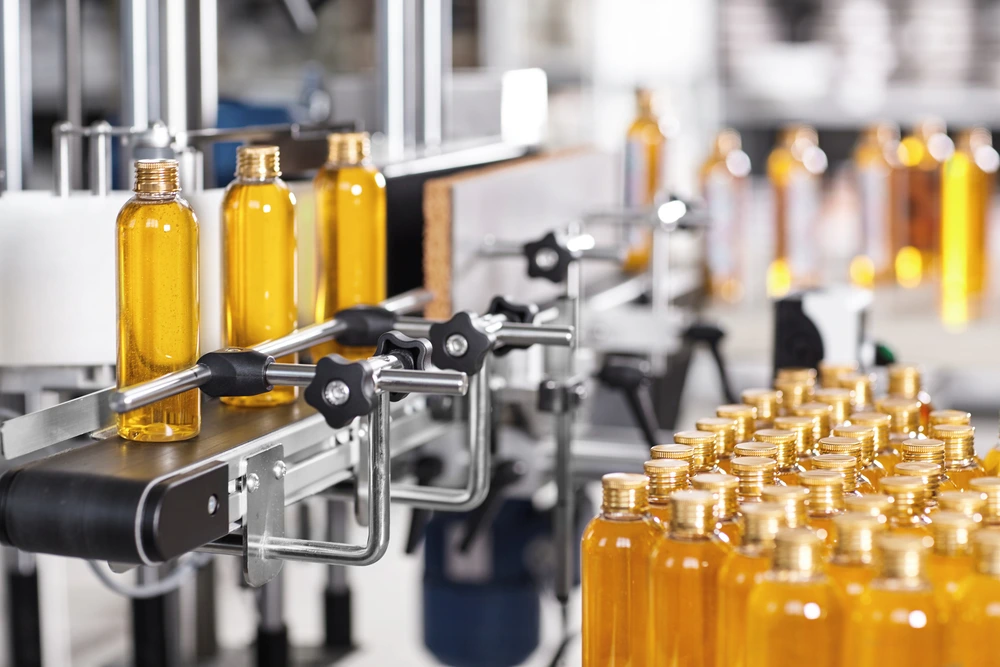
Following Brexit, the UK established a distinct regulatory framework for cosmetic products in Great Britain. While rooted in the EU Cosmetics Regulation (EC) No. 1223/2009, it incorporates crucial UK-specific requirements and amendments. The primary legal instrument is The UK Cosmetics Regulation, which officially came into force on January 1st, 2021.
This regulatory shift means a product compliant in the EU is not automatically compliant in the UK. That means separate regulatory strategies, documentation, and notification processes for businesses targeting both markets, adding complexity and operational costs.
The Pivotal Role of the UK Responsible Person (RP)
A cornerstone requirement for any cosmetic product sold in the UK is the designation of a UK-based Responsible Person (RP). The RP bears legal accountability for product safety and regulatory adherence. Key Responsible Person responsibilities include compiling and maintaining the Product Information File (PIF) and notifying the product via the Submit Cosmetic Product Notification (SCPN) system.
Key Regulatory Bodies and Compliance
The Office for Product Safety and Standards (OPSS) oversees UK Cosmetic Regulation enforcement. The Scientific Advisory Group on Chemical Safety (SAG-CS) is an independent body providing expert scientific advice and risk assessments on cosmetic chemicals, significantly shaping policy development.
The continuous updates to UK cosmetics regulations, especially regarding substance restrictions, highlight that achieving compliance is an ongoing process, not a one-time event. Constant monitoring and proactive adaptation of formulations, labelling, and documentation are essential to avoid non-compliance or market withdrawal.
What Is a CPSR and its Legal Necessity for UK Market Entry?

The Cosmetic Product Safety Report (CPSR) is the cornerstone of cosmetic product safety and a mandatory legal document for any cosmetic product sold in the UK. Its acquisition is an absolute prerequisite for market entry.
The CPSR serves as comprehensive scientific evidence, demonstrating a product is safe for human health under normal or reasonably foreseeable conditions. Without a valid CPSR, cosmetic brands are legally prohibited from marketing their products in the UK. This report is also an essential component of the Product Information File (PIF).
More than a formality, the CPSR functions as a critical, proactive risk assessment tool. It covers a thorough examination of composition and potential hazards, identifying and reducing safety risks before market entry.
Breakdown of CPSR Components
A CPSR is a comprehensive document, typically structured into two primary parts.
Part A: Cosmetic Product Safety Information
This section gathers all necessary raw data about the product and its ingredients. It includes quantitative and qualitative composition (ingredient list and concentrations), physical/chemical characteristics and stability data, microbiological quality (including preservation challenge tests), impurities and packaging material information, normal and reasonably foreseeable use, systemic exposure evaluation, toxicological profiles of ingredients, and any undesirable or serious undesirable effects.
Part B: Cosmetic Product Safety Assessment
The second part critically evaluates the overall safety using the data from Part A. A qualified safety assessor (with a recognized scientific qualification in toxicology, medicine, etc.) meticulously analyzes the data. The assessor provides a reasoned opinion on product safety, including necessary warnings or instructions for consumers.
Products Requiring a CPSR
Any cosmetic product, from creams to soaps, legally requires a Cosmetic Product Safety Report before sale in the UK. Russell Regulatory Consultants, through our Cosmetic Regulatory Services, offers complete support for both custom-tailored and pre-assessed CPSR certification:
- Bespoke CPSRs: Custom-made assessments for unique, innovative, or complex formulations.
- Ready-to-Buy CPSRs: These are pre-assessed options for common, standard formulations. For smaller businesses, this option significantly reduces time, complexity, and cost.
Our diversified CPSR offering allows us to cater to various client needs, from innovative startups to smaller enterprises.
Beyond the CPSR for UK Cosmetic Compliance

Achieving full UK cosmetic compliance extends beyond the Cosmetic Product Safety Report (CPSR) to cover a range of interconnected documentation and ongoing regulatory adherence.
The Product Information File (PIF)
The Product Information File (PIF) is a mandatory legal document that the Responsible Person must compile and retain for 10 years after the last batch of the product was placed on the market. It must be in English and readily accessible to authorities. The PIF serves as a comprehensive dossier for the product’s safety and compliance.
Key PIF contents include:
- A detailed product description.
- The CPSR.
- Manufacturing method and GMP compliance statement.
- Proof of claimed effects (claim substantiation).
- Animal testing data (or confirmation of no animal testing).
The PIF is the central repository for all cosmetic compliance documentation. Its completeness is paramount; any deficiency can render the entire PIF non-compliant, jeopardizing marketability. Russell Regulatory Consultants assists with PIF creation and review.
UK-Specific Labelling Compliance
Accurate and compliant product labelling is critical for consumer safety and informed choices. Labels must be clearly displayed on both the container and outer packaging.
Key UK labelling requirements include:
- Responsible Person’s contact information (name and address).
- Country of origin for imported products.
- Nominal content.
- Date of minimum durability or Period After Opening (PAO) symbol.
- Product function (if not evident).
- Comprehensive INCI ingredient list.
- Specific warnings or Instructions for Use.
Good Manufacturing Practices
GMP compliance is a legal requirement for cosmetic products in the UK. Adherence to the internationally recognized standard ISO 22716 ensures consistent quality and safety. A statement confirming GMP compliance must be included in the PIF.
The Submit Cosmetic Product Notification (SCPN) Portal
All cosmetic products placed on the UK market must be registered through the Submit Cosmetic Product Notification (SCPN) system. This mandatory step ensures regulatory oversight. The Responsible Person is obligated to submit required information via this portal before market placement.
Essential Safety and Stability
To compile a CPSR and ensure product safety, various tests are typically required:
- Preservation Challenge Test.
- Safety Evaluations.
- Efficacy Testing.
- Stability Assessments.
- Microbiological Testing.
- Specific tests for aerosols (e.g., flammability, hydraulic).
Post-Market Surveillance Reporting and Traceability
Regulatory obligations go beyond market entry. Companies must report adverse events, specifically serious undesirable effects, promptly. Products also require clear traceability information (producer’s name, address, batch number) to facilitate tracking and recalls.
The interconnectedness of these elements means cosmetic compliance is an ongoing process, requiring continuous vigilance and documentation updates. Russell Regulatory Consultants provides ongoing compliance monitoring and support to tackle the entire product lifecycle, ensuring sustained compliance and avoiding risks.
Achieve Confidence and Growth with Russell Regulatory Consultants
Launching a new cosmetic brand in the UK brings exciting opportunities but significant regulatory hurdles. The complex cosmetic safety assessment requirements in the UK can be daunting, demanding expert knowledge and continuous vigilance. This is where Russell Regulatory Consultants steps in.
We understand the fear of non-compliance, the time drain of regulatory research, and the need to confidently bring your innovative products to market. Our commitment extends far beyond initial CPSR certification or a simple safety assessment for cosmetics. Here’s how our expertise delivers solutions.
- Simplifying Complexity: The UK’s cosmetic safety assessment demands are challenging and constantly changing. Our expertise and proactive approach are designed to simplify these challenges, freeing your valuable time and resources for innovation and growth.
- Accelerated Market Access: We ensure compliance and streamline processes, accelerating your time to market. This allows you to confidently achieve business objectives and cultivate a thriving brand that upholds consumer trust.
- Ongoing Partnership: Our commitment to client success extends throughout your product’s lifecycle. We provide continuous support and access to our expert team for any questions or challenges, even after your Cosmetic Product Safety Report (CPSR) has been delivered. Your success is our paramount priority.
By partnering with RRC, you gain a trusted advisor dedicated to ensuring your cosmetic safety assessment and overall UK cosmetic compliance are managed with precision. This allows you to focus on what you do best: creating exceptional cosmetic products.
Future-Proof Your Brand with Expert UK Cosmetics Compliance
Launching a new cosmetics brand in the UK demands a thorough understanding of its distinct regulations. Proactive cosmetic safety assessment is a fundamental strategy for sustainable success. The core pillars, including the essential CPSR certification, meticulous PIF management, GMP adherence, and SCPN notification, are interconnected and non-negotiable.
The complexities of cosmetic safety assessment in the UK, coupled with continuous regulatory updates and the increasing divergence from EU rules, present significant challenges for new brands. The burden of ensuring rigorous safety assessment for cosmetics and handling compliance can feel overwhelming, diverting precious resources from innovation and growth.
Imagine launching your products with complete confidence, knowing every regulatory hurdle is expertly handled. Russell Regulatory Consultants offers complete services designed to simplify everything. From creating CPSR to providing ongoing compliance monitoring and acting as your UK Responsible Person, we address your pain points, streamline processes, and accelerate your time to market.
Don’t let regulatory complexities slow your success. Begin your path to cosmetics compliance today. Book a free consultation today, and let’s keep your brand safe from the risks of non-compliance.
Article Sources
- legislation.gov.uk. Regulation (EC) No 1223/2009 on cosmetic products. Accessed June 10th, 2025.
- CTPA. UK Cosmetic Regulations Amendments. Accessed June 10th, 2025.
- gov.uk. Submit a cosmetic product notification. Accessed June 10th, 2025.
- gov.uk. Office for Product Safety and Standards. Accessed June 10th, 2025.
- gov.uk. Scientific Advisory Group on Chemical Safety in Consumer Products. Accessed June 10th, 2025.
- BBC News. Animal tests for makeup ingredients allowed. May 10th, 2023.
- ISO. ISO 22716:2007 Cosmetics — Good Manufacturing Practices (GMP) — Guidelines on Good Manufacturing Practices. Accessed June 10th, 2025.
